How to Create a Virtual Event – 2024 Guide
Date added: 4/03/2024
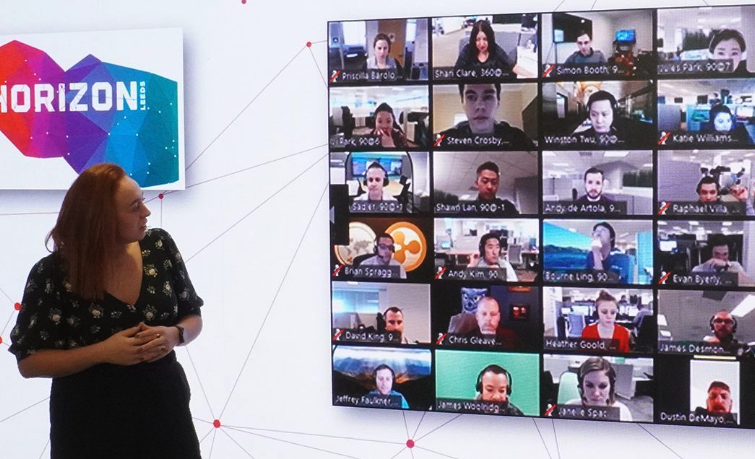
Events in the earliest days have been known to be gatherings that have encouraged peace and friendship between tribes, with the first known event planner being Cleopatra in around 31 BC. Since then, events have embedded themselves into most brand’s strategic planning, and have vastly adapted. Virtual events became more in demand during the late 2000s recession, as they were not only a more budget-friendly option, but also offered a more environmentally friendly and economically more effective solution. The COVID-19 pandemic has taken virtual events to a new height, where during the global pandemic, people could only connect virtually both in professional and social settings. Now, the market is estimated to reach $366.5 billion by 2027 and continues to be the most cost-effective solution which allows global connection between attendees, effortlessly.
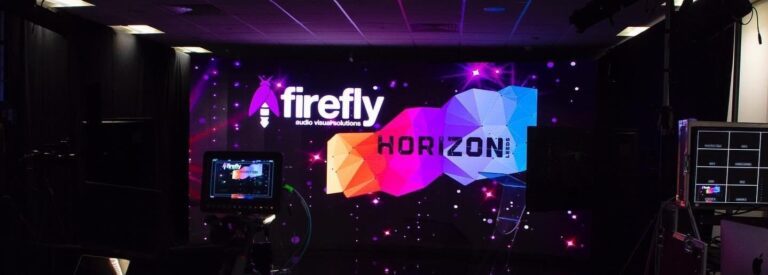
Virtual events are events which are held online on an online platform. They provide great flexibility where organisers can either stick to an invite-only event, paid or free, as well as open events where registration is not necessary such as a live stream. Many types of events can be held virtually which we will cover below, but the most popular platforms for virtual events which you may want to consider include Google Meet, Microsoft Teams, Clubhouse, Zoom, Join.me, social platforms such as Instagram, Facebook, Tiktok and more.
During virtual events, organisers and partakers have the option to connect with their audience through a video chat or voice call only. As there is no need to pay large fees for venue rental etc, these types of events are popular for many sectors and occasions.
Of course, as with any event, virtual events have a few disadvantages which organisers need to consider as well as try to overcome. One of the most obvious ones is not being physically in front of the part-takers, which may make it more difficult to create a connected atmosphere and bring a welcoming feel and warmth to the occasion. Some people also find it more difficult to concentrate on the event due to technical issues such as poor background noise, video and audio quality issues and poor soundproofing.
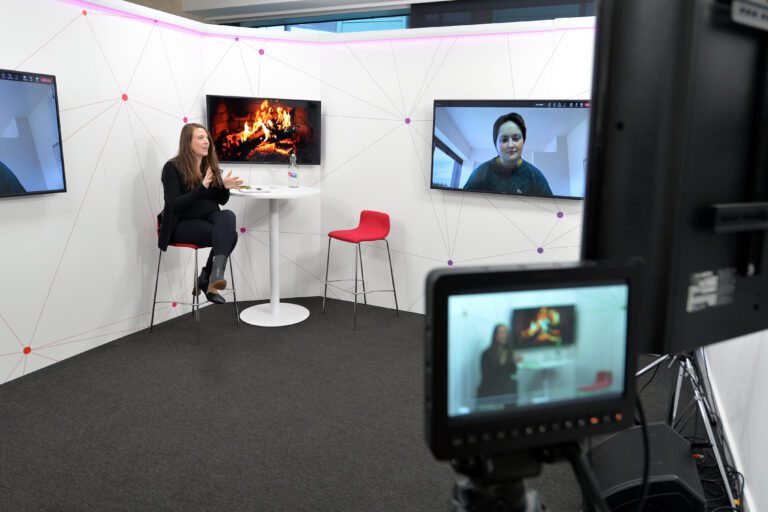
The most common types include:
Have a clear goal
Before starting on any of the more granular planning and preparation, it’s important to pinpoint a clear goal for your event. Depending on what you’re looking to achieve, for example, more investment into a project, more engagement for a brand, or growing social following, make sure your goals are specific, clear and measurable so you can reflect on the impact on your virtual event later on.
Select the right platform
You can quickly lose the interest of partakers if you don’t consider the best platform for them. Be sure to keep in mind the type of people you’re looking to attract with the event, the type of the event, and your ideal partakers’ demographics and interests so you can pinpoint the platforms they’d be most likely to want to attend on.
Carefully consider the time for the virtual event
Whether it’s a global or local event, timings still need to be considered. Be sure you take into consideration the lifestyle of your attendees so you can select the best time for them to partake and stay engaged. Virtual events are all about convenience, and timing is a crucial part of convenience.
Have a clear agenda
You will need to ensure that the timings are marked clearly on your agenda with the speakers and details on the topics or discussion points that will be covered. This will not only increase the interest of the attendees but ensure that they can be promptly on time for different speakers. Including plenty of breaks and break-out rooms during the vent is also important to ensure that attendees have the chance to connect, just like if it was an in-person event.
Include moderators and prepare to troubleshoot
Be sure that you have enough moderators during the event so they can support the smooth operation of the event. Some people may not be as polite online as they would be in person, and moderators can quickly jump in to resolve any unpleasant occurrence that may arise. It can also be highly beneficial to hire a company that can support your virtual events with any technical difficulties, or complex technical tasks to ensure that your virtual event is unforgettable.